
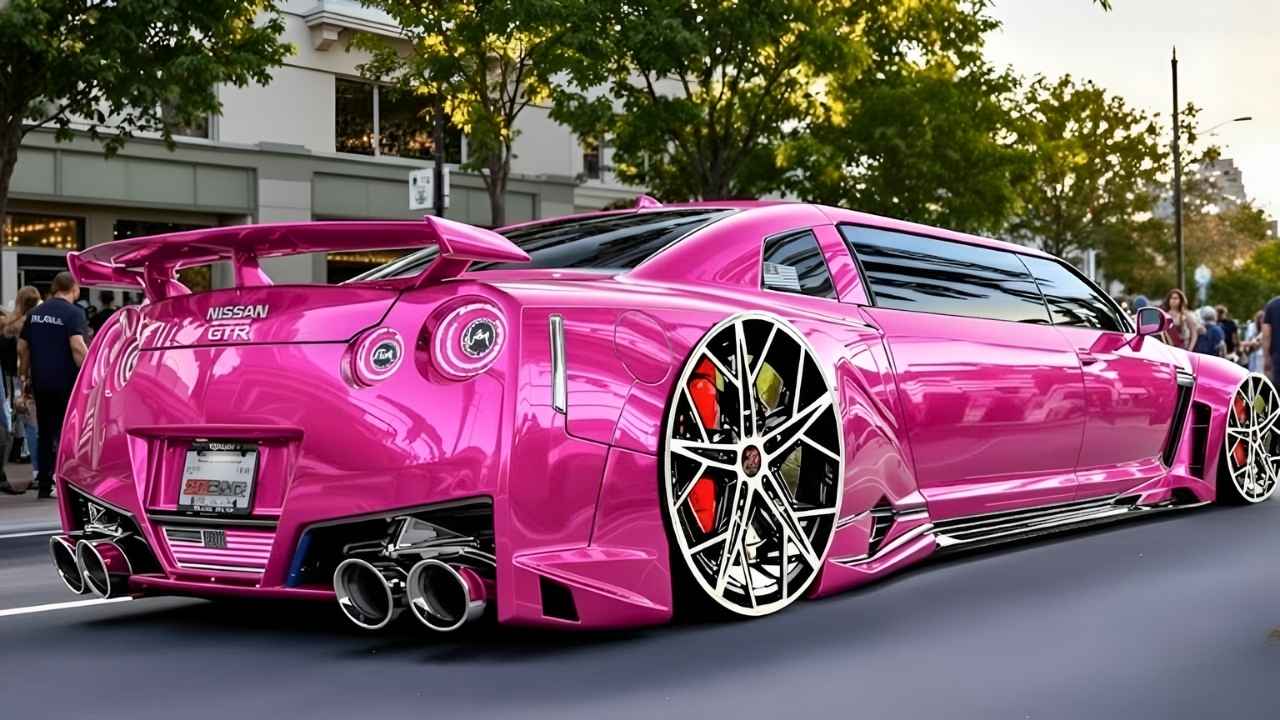
The GT-R lineup has always represented a blend of Japanese engineering brilliance and street-shredding supercar performance, and the 2026 Nissan GT-R R36 Concept continues this legacy at a whole new level. The automotive world has eagerly awaited a successor to the R35, and Nissan has finally answered with a concept that signals the next evolutionary stage of Godzilla. The R36 represents a combination of heritage and innovation, bringing back the power and attitude of the GT-R while embracing modern performance technology and futuristic design. This concept isn’t just a prototype—it’s a statement that the legend is far from over.
What is the standout design language in the R36 Concept
The R36 takes inspiration from its predecessors but wipes the slate clean with a radical design philosophy. Aggressive aero sculpting, sharp LED lighting signatures, and a low, wide stance give it a commanding presence. The iconic quad taillights return, but with a more fluid and aerodynamic shape that screams performance even when the car is parked. The long hood and muscular haunches evoke the classic GT-R silhouette, yet the body integrates extensive carbon fiber panels for weight reduction and superb rigidity. Every surface is functional—from the deep front splitter and massive side air channels to the reworked rear diffuser that controls airflow for high-speed stability. The concept hints at a vehicle built for track dominance without losing its street-ready personality.

How does the interior elevate the GT-R identity into the future
Inside, the R36 Concept adopts a driver-centric layout that feels both luxurious and performance-focused. The cockpit blends racing influence with futuristic sophistication. A digital performance cluster displays real-time telemetry, boost pressure, power distribution, and track data. Premium sport seats offer firm bolstering for cornering, wrapped in high-quality materials that balance comfort and aggression. Switchgear has been minimized, moving most functions to an intuitive touchscreen system, while the flat-bottom steering wheel integrates performance controls for quick access. The cabin is tight, purposeful, and built to make the driver feel fused with the machine—exactly what GT-R fans expect.
How much performance can be expected from the new Godzilla
As a concept, Nissan remains discreet about exact power figures, but the R36 points strongly toward electrified performance. The GT-R tradition of raw turbocharged muscle is expected to continue, likely combining a twin-turbo V6 with hybrid boost for instant torque and extreme horsepower delivery. Advanced torque vectoring and all-wheel drive—signatures of the GT-R legacy—are expected to evolve into even more precise and adaptable systems. The R36 promises stunning acceleration, razor-sharp handling, and top-tier aerodynamic grip designed for both road and track. The engineering direction suggests a supercar capable of competing with the world’s fastest machines without sacrificing the GT-R’s everyday drivability.

When does the concept show its true purpose to the automotive world
The 2026 GT-R R36 Concept isn’t just a showcase of futuristic technology; it is a promise to driving enthusiasts. It sends a clear signal that Nissan isn’t backing away from high-performance sports cars in an era dominated by crossovers and EVs. The concept shows the brand’s commitment to pushing boundaries rather than playing safe. It reminds the world that performance passion still matters and that the GT-R name will continue to challenge Europe’s elite supercars, track monsters, and hyper-hybrids.
How does the R36 balance tradition with innovation
The concept maintains the spirit that made the GT-R legendary: brutal traction, explosive power, and relentless cornering ability. Yet, it adapts to modern expectations of efficiency, aerodynamics, and hybrid performance. The quad-taillight signature, all-wheel-drive stance, and coupe profile honor its heritage, while the electrified powertrain, carbon-intensive bodywork, and digital-first interior push the car boldly into the future. It’s the perfect illustration of what a modern Godzilla should look like—familiar, but fearlessly evolved.

When can enthusiasts expect to see the production version
Nissan has not announced an exact production timeline, but industry chatter suggests development is well underway. The concept phase hints that Nissan wants to perfect the next era of GT-R rather than rush it. If the final production model stays true to this design and performance direction, the R36 could redefine the global supercar category once again when it officially arrives.
How is the 2026 GT-R R36 shaping the future of high-performance Japanese sports cars
The R36 Concept symbolizes more than just a new model—it may spark the resurgence of the Japanese supercar era. It shows that cutting-edge performance engineering can evolve without abandoning raw emotion. The GT-R has always been a symbol of power accessible to drivers rather than being exclusive to the elite, and the R36 appears ready to continue that mission. It creates excitement, anticipation, and belief that the Godzilla legacy isn’t fading—it’s transforming into something even more ferocious.

The 2026 Nissan GT-R R36 Concept isn’t merely a car launch—it’s a revival of a legend. With radical new design, electrified performance expectations, and a clear promise of track-ready strength, the next GT-R is shaping up to become a milestone in modern automotive history. For enthusiasts around the world, the rebirth of Godzilla has only just begun.